

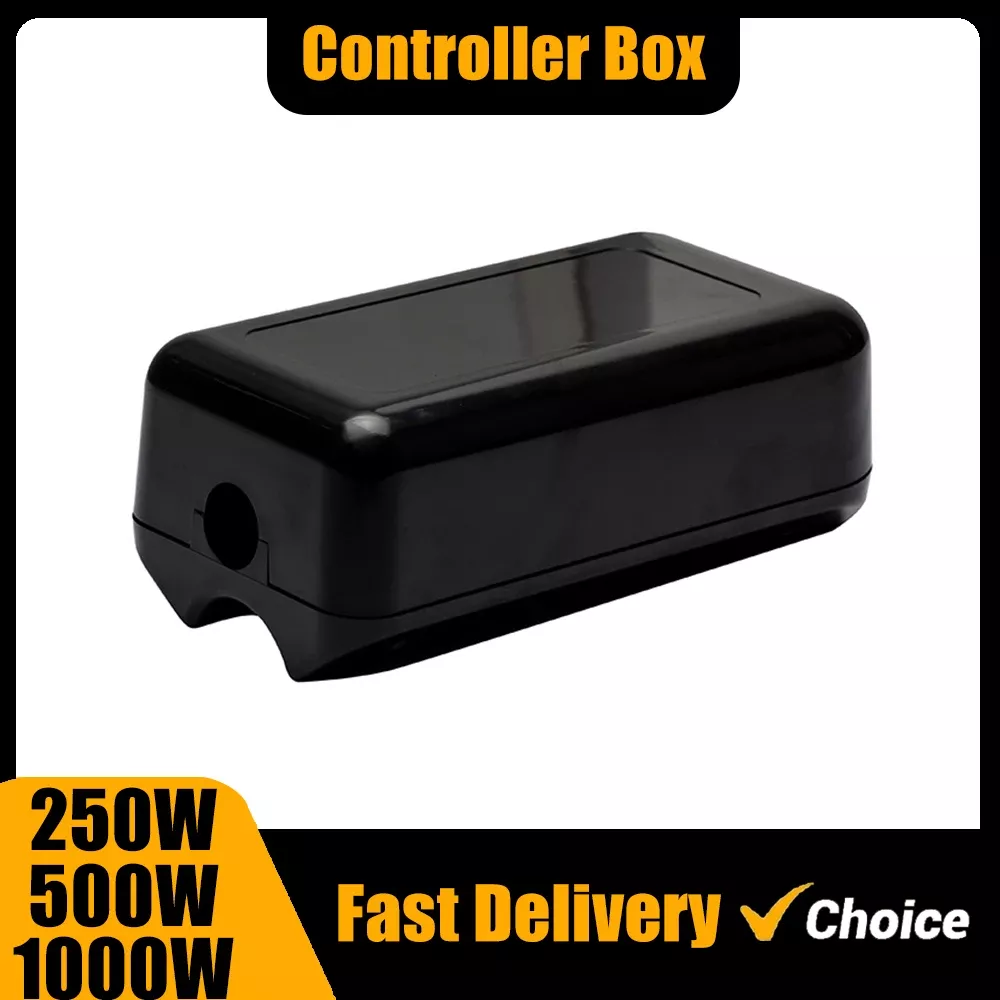
Ebike Controller Box Electric Bicycle Controller Case 250W Small 350W 500W Large 1000W Extra Large Electric Bike Conversion Kit
$28.96
Upgrade your DIY electric bicycle project with these versatile ebike controllers, engineered to perfectly manage power delivery for 250W, 350W, 500W, and 1000W motor setups. Whether you are building a lightweight street commuter from scratch or replacing a damaged unit on a high-torque off-road fat bike, having a reliable controller box is the absolute key to a smooth, responsive ride. Designed for seamless integration into any electric bike conversion kit, these sturdy housings protect sensitive internal circuitry from vibrations, moisture, and everyday road debris.
- Universal Fit: Available in Small, Medium, and Large sizes to match your specific motor wattage and PCB dimensions.
- Wide Wattage Range: Fully compatible with 250W, 350W, 500W, and 1000W electric bicycle configurations.
- Durable Protection: Rigid casing shields delicate electronics from harsh weather conditions and impact.
- DIY Friendly: Simplifies wiring and installation for custom electric bicycle builds and repairs.
- Pack Options: Choose single units or convenient 2-piece and 3-piece bundles for multi-bike projects.
Every great electric bicycle relies on a hidden hero to translate raw battery power into forward momentum: the motor controller. When undertaking a DIY electric bike conversion, the quality and capacity of your ebike controllers dictate how efficiently power is drawn from the battery and delivered to the hub motor. This precision-engineered controller box provides a robust, protective housing for the delicate circuitry required to manage 250W, 350W, 500W, and 1000W systems. By securing the internal printed circuit board (PCB), this enclosure prevents damage from road vibrations, moisture ingress, and debris, ensuring consistent power delivery whether you are navigating urban streets or exploring off-road trails.
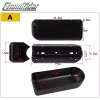
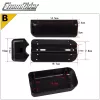
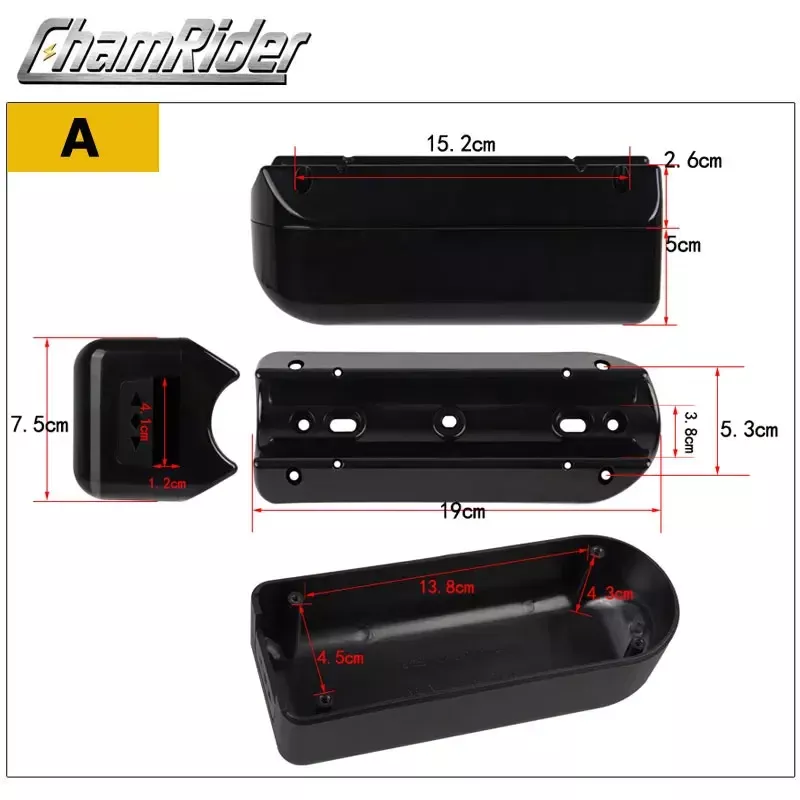
Functioning as the central brain of your electric bike, the controller interprets throttle inputs, pedal assist sensor (PAS) signals, and brake cutoff commands. It rapidly modulates the electrical flow to ensure smooth acceleration and responsive handling. By offering distinct physical dimensions—specifically A Small, B Medium, and C Large—these enclosures accommodate a variety of internal layouts and heat sinks required for different power outputs. Selecting the correct size ensures your internal components have adequate space for thermal dissipation, preventing overheating during prolonged rides or steep inclines. This tailored approach to housing design guarantees that your DIY conversion kit operates at peak efficiency.
Whether you are building a lightweight 250W city commuter or a high-torque 1000W off-road fat bike, selecting the right casing ensures optimal performance and longevity. Available in convenient bundles, including single units and 2-piece or 3-piece multi-packs, these enclosures are ideal for both individual DIY enthusiasts and professional repair shops managing multiple electric bike conversion kits simultaneously. By choosing the correct enclosure, you safeguard your investment and ensure your custom e-bike performs reliably for thousands of miles.
The Essential Role of Ebike Controllers in Electric Conversion
To understand the importance of a high-quality controller box, one must first understand how an electric bicycle functions as a complete electromechanical system. The battery provides the raw direct current (DC) power, but the brushless DC (BLDC) motor requires a highly specific sequence of three-phase alternating current (AC) to energize the copper coils and turn the stator. The controllers act as the crucial translator between these two domains. Using highly efficient MOSFETs (Metal-Oxide-Semiconductor Field-Effect Transistors), the microprocessor inside the unit chops the DC power into the exact waveform needed by the motor.
When you twist the throttle or begin pedaling, the microprocessor reads the input and calculates the required duty cycle. It then fires the MOSFETs in a precise sequence, rapidly switching the electrical flow on and off thousands of times per second. This rapid switching creates a pulsing current that drives the motor forward. The physical housing protects this intricate logic from the harsh environmental conditions encountered during daily riding. A well-designed enclosure shields the internal traces and components from water, dust, and physical shock, which are the primary causes of premature failure in DIY e-bike builds.
Furthermore, modern controllers often feature advanced functionalities such as regenerative braking, cruise control, and variable pedal assist levels. To support these features, the enclosure must accommodate additional ports for communication cables, display units, and diagnostic tools. The rigid structure of the box ensures that these multiple entry and exit points remain securely sealed, maintaining the integrity of the internal electronics while providing accessible interfaces for the rider.
Matching Controller Sizes to Motor Wattage
Not all electric bicycles are built the same, and neither are their power demands. A mismatch between the motor’s requirements and the controller’s capacity can lead to poor performance, stalling, or catastrophic component burnout. This product line addresses this challenge by offering enclosures in three primary sizes, specifically designed to house the circuitry for different power tiers. Properly matching your motor to the correct enclosure size is a fundamental step in any successful conversion.
250W and 350W Small Applications (A Small)
The A Small enclosure is tailored for the most common street-legal electric bicycles. A 250W motor is the standard limit in many European and Asian jurisdictions, providing ample assistance for flat city commuting and moderate hills without requiring a license or registration. The 350W variant offers a slight bump in torque, making it suitable for heavier riders or slightly more aggressive inclines. Because these lower-wattage motors draw less overall amperage, the internal components of their controllers can be quite compact. The A Small box perfectly fits these minimalist setups, offering a lightweight footprint that can be easily concealed within the frame or mounted near the battery pack without adding unnecessary bulk to the bicycle.
500W Medium Applications (B Medium)
Stepping up to a 500W motor introduces a significant increase in power, allowing riders to tackle steeper gradients and achieve higher top speeds, often utilized in North American street-legal e-bikes and light off-road trail riders. The 500W draw necessitates larger MOSFETs, thicker internal wiring, and more robust capacitors to handle the increased amperage without overheating. The B Medium enclosure provides the necessary internal volume to house these heftier components while maintaining adequate airflow. This mid-sized box bridges the gap between lightweight city bikes and more robust all-terrain commuters, offering a versatile housing solution for mid-drive motors or powerful rear hub motor setups.
1000W Extra Large Applications (C Large)
For off-road enthusiasts, cargo e-bikes, and custom high-speed builds, the 1000W motor demands an uncompromising power delivery system. Drawing massive bursts of power under heavy load or steep hill climbs, a 1000W controller requires exceptional heat dissipation strategies and substantial internal spacing to prevent thermal throttling or electrical arcing. The C Large enclosure accommodates these high-capacity wattage controllers, providing the necessary room for advanced thermal management structures and heavier-duty traces. This larger size ensures that even under maximum load, the internal electronics remain stable, preventing the thermal cutoffs that plague poorly housed high-power systems.
Thermal Management and Enclosure Design
As electrical current passes through the MOSFETs and capacitors inside the controller, inherent resistance generates waste heat. If this heat is not effectively managed, it can degrade the internal components, leading to sluggish performance, erratic sensor readings, or complete failure. The physical design of the controller box plays a pivotal role in passive thermal dissipation.
High-quality enclosures are typically crafted from durable, heat-resistant plastics or lightweight aluminum alloys that act as passive heat sinks. The shape and volume of the A Small, B Medium, and C Large boxes are not arbitrary; they are dimensioned to provide sufficient surface area for heat to radiate away from the core components. Furthermore, the rigid casing ensures that the internal PCB is mounted securely, preventing micro-vibrations from fatiguing the solder joints over thousands of miles of riding. Proper sealing techniques used during the assembly of these enclosures also prevent water and dirt from compromising the thermal interface between the components and the casing, ensuring long-term reliability.
In high-performance applications, builders often add thermal paste or potting compounds inside the enclosure to further enhance heat transfer from the MOSFETs to the outer shell. The structural integrity of these boxes supports such modifications, allowing DIY enthusiasts to push the boundaries of their electric bike conversion kits without risking damage to the delicate electronics within.
Streamlined Installation and Wiring Integration
One of the most common hurdles in DIY e-bike building is routing the complex bundle of wires required to connect the motor, battery, throttle, and sensors. A well-designed controller box simplifies this process by offering organized entry and exit points for the wiring harness. These enclosures feature pre-molded cutouts and grommets that accommodate standard phase wires, communication cables, and power leads.
This structured approach to cable management not only looks cleaner but also protects the wires from chafing against the metal frame of the bicycle. When installing a new controller, the box provides a safe, enclosed environment to make your series of splices and connections. It allows builders to route the thick motor phase wires securely while keeping the delicate logic-level wires for the PAS and throttle separated. This separation minimizes the risk of electromagnetic interference (EMI) disrupting the sensor signals, ensuring crisp, immediate throttle response every time you ride.
Selecting the Right Voltage and Current Specifications
While the physical size of the enclosure dictates the maximum thermal load it can handle, the internal electronics dictate the voltage and current limits. Most standard e-bikes operate on 36V or 48V battery systems, though high-performance 1000W setups often utilize 52V or even 72V arrays. The controllers housed within these enclosures are rated for specific voltage ranges and maximum continuous current outputs, measured in amps.
It is crucial to match the controller’s ratings to the battery’s output to prevent overvolting the capacitors or straining the battery’s Battery Management System (BMS). A 250W motor typically pairs with a 36V battery and a 15A controller, yielding a harmonious balance of efficiency and range. Conversely, a 1000W motor often requires a 48V or 52V battery paired with a 30A or higher controller to unlock its full potential. By offering distinct size classes, these boxes ensure the internal components have the physical space required for the larger capacitors and heavier-duty traces needed to safely handle these higher power conversions without voltage sag or current spikes.
Customizing the E-Bike Conversion Experience
The beauty of the DIY electric bike movement lies in the ability to customize every aspect of the ride. Riders have unique requirements, whether it is building a cargo bike for heavy grocery runs, a folding bike for last-mile commuting, or a fat bike for winter trail riding. The conversion process allows individuals to tailor the power delivery to their exact lifestyle needs.
Choosing the correct controller enclosure is a foundational step in this customization process. The availability of multi-pack options, such as the 2PCS-A Small, 2PCS-B Medium, 3PCS-A Small, and 3PCS-B Medium bundles, provides ultimate flexibility for builders working on multiple projects or those who keep spare parts for rapid repairs. Having a spare enclosure on hand means that if a unit is damaged in a crash or suffers a short circuit, the builder can quickly transfer the internal components to a new box, minimizing downtime and keeping the bike on the road.
Additionally, matching the correct box size to the application ensures optimal weight distribution on the bicycle. A compact A Small box can be easily tucked behind the seat post or inside a triangle bag, maintaining the sleek profile of a road commuter. The larger C Large box, while bulkier, provides the necessary space for the heavy-duty wiring required on a cargo or off-road build, ensuring the bike remains serviceable and robust under demanding conditions.
Troubleshooting and Maintenance Best Practices
Even the most robust ebike controllers require periodic inspection to ensure longevity. Because the controller box is typically mounted low on the frame or near the rear wheel, it is exposed to spray from tires and environmental moisture. Regularly checking the integrity of the enclosure’s seals and ensuring the mounting hardware remains tight can prevent long-term issues.
If a builder experiences stuttering power delivery, dropped signals, or a complete lack of response from the motor, the controller box is the first place to inspect. Often, water ingress or a broken wire at the grommet entry point is the culprit. A well-constructed enclosure allows builders to easily open the case, diagnose the fault, and perform a clean repair or replace the internal logic board without having to replace the entire motor assembly. This modularity is what makes DIY electric bikes a sustainable and cost-effective mode of transportation.
Always ensure that the enclosure is mounted securely to the frame using vibration-dampening hardware. This prevents the constant micro-impacts of road riding from cracking the internal solder joints. By utilizing a high-quality, purpose-built controller box, DIY builders guarantee that their electric bicycle remains a reliable, high-performance vehicle for years to come.
Key Specifications and Package Details
- 🔋 Power Compatibility: Designed to house circuitry for 250W, 350W, 500W, and 1000W electric bicycle motors.
- 📦 Size Options: Available in A Small, B Medium, and C Large volumes to match internal component dimensions.
- 🛠️ Multi-Pack Bundles: Offered in single, 2-piece, and 3-piece quantities for shops and multi-bike builders.
- Dimensions: Compact 25 x 16 x 12 cm profile for versatile frame fitting and easy concealment.
- Lightweight Design: Total package weight of just 0.485 kg minimizes added bulk to the bicycle frame.
- Thermal Protection: Rigid casing provides passive heat dissipation for sustained high-power delivery.
- Cable Management: Integrated entry points protect phase wires and sensor cables from abrasion and water ingress.
- DIY Friendly: Simplifies wiring and installation for custom electric bike conversion kits.
- Weather Resistance: Shields delicate internal PCBs from moisture, dust, and road vibrations.
- Universal Application: Ideal for city commuters, off-road fat bikes, cargo e-bikes, and custom performance builds.
No ratings yet
Reviews
There are no reviews yet.